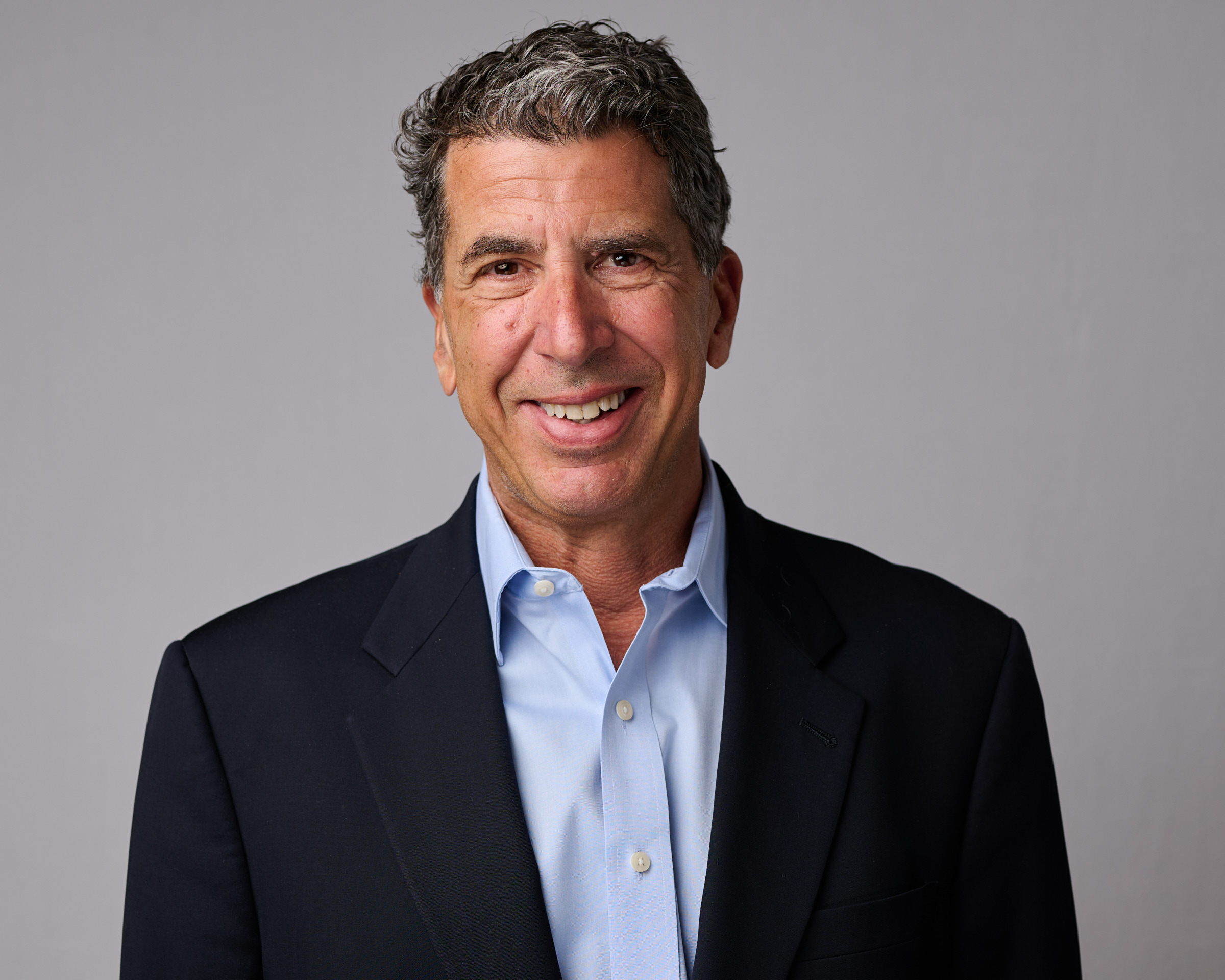
Meet Dave
Four decades in Boulder.
Dave moved to Boulder in 1985 and never left. He earned his B.S. and M.B.A. at CU Boulder, and built a career in institutional finance — including eight years as a Senior Portfolio Manager at Colorado PERA, where he helped steward retirement savings for hundreds of thousands of Colorado teachers, state troopers, and public employees, including for City of Boulder employees. He knows what it means to be trusted with public money, because he's done it.
Dave believes most council candidates actually agree on the destination — housing affordability, wildfire resilience, good governance — and that the real differences are about the route to get there. His approach is pragmatic and non-ideological: develop an informed view, listen to a wide range of perspectives, and build the consensus that actually serves Boulder. That's the leadership he'd bring to council — forty years in this city, and a career built on exactly that kind of judgment.
Priorities
What Dave will focus on
First Principles
I moved to Boulder more than 40 years ago, loved it then, and love it now. I look back on those years joyfully and remain in awe of the beauty of our natural surroundings and our community.
Pragmatic, Positive, and Experienced Leadership
Providing the best outcomes for Boulder requires making choices in a non-ideological, pragmatic way. I believe most candidates agree on many of the destinations: housing affordability, wildfire resilience, good governance, a healthy downtown, reliable public services, and more. The difference is in the routes we take to get there.
I will approach council service in an informed, solution-oriented way. More than four decades in Boulder and a varied career have given me perspective on a wide range of views. I will work to build consensus, state tradeoffs plainly, and focus on practical results that serve the whole community.
Financial acumen and common sense will be the Superpowers that I will bring to council. These critical skills will help return Boulder to solid financial footing.
The sections below are focused and brief. Additional context can be found in my responses to questionnaires from local groups.
If elected, I will listen carefully, lead with integrity, and focus on practical solutions.
NO on 2K ($400 million bond)
While I am a no vote on the bond, my priorities include maintaining safe, functional public safety and recreation facilities and addressing legitimate deferred maintenance.
Currently, Boulder's total debt on its 23 outstanding debt issues issued between 2012 and 2025 is $742.0 million (principal and interest). Ballot measure 2K ($400 million bond, $650 million maximum repayment inclusive of interest) would, in a single stroke, almost double that.
Over the last 20 years, Boulder voters have only rejected one tax increase/extension at the ballot box out of 41 measures. This near-perfect track record of engagement between city councils and citizens reflects the consistent employment of a thoughtful process underpinned by accumulated community goodwill for a variety of programs and services.
Sadly, that trust and goodwill no longer exist. A survey conducted in June 2026 by Probosky Research for the city revealed that only 45% of respondents surveyed would vote in support of the proposed $400 million bond issue, yet here it is on the ballot.
Before asking residents to assume this level of long-term debt, Council and staff should provide a transparent list of projects that distinguishes critical community-safety needs from simple improvements, identifies the full cost of each project, and specifies what, if any, lower-cost alternatives were considered, such as utilizing existing commercial properties where the vacancy rate in Boulder is over 25% in many locations.
The ballot measure states that a new public safety building is estimated to cost $170 million. Broomfield has a new police headquarters under construction for a police force almost identical in size to Boulder's, estimated to cost $81 to $85 million. Our community deserves better.
With a career in institutional finance, I would bring the financial acumen the council needs, dedicate myself to rebuilding community trust, and steward the community's tax revenues and long-term capital the way we deserve.
Fiscal Stewardship & Governance
The budget is one of council's most important policy tools. It states who we are and where our priorities become real: every commitment means fewer resources for something else. Our current byzantine process is challenging for sitting council members to understand and almost a meaningless document for everybody else.
We should implement Priority Based Budgeting ("PBB"), similar to what Boulder County does. For each line item in the budget, PBB requires answers to four questions: 1) Does the service provide high value to residents? 2) Is it legally required? 3) Does it advance City Council priorities? 4) Can efficiency be improved before the service itself is reduced or eliminated?
The results from the PBB process are an open book, available for review. This allows everybody to understand what programs/service were funded and what were not and gain perspective. Increasing transparency is an important step to raising the level of trust from residents.
For significant capital projects such as Alpine-Balsam and CU South Flood Mitigation, there should be an easy to access dashboard showing progress in terms of both budget and time with simple green, yellow and red light measurements. When a project falls into the yellow or red, we should know why, what the city is doing to mitigate the issue and what alternatives are available to bring the project back into its original budget.
I believe we can do more with our current revenue stream and not solely ask voters to increase taxes. Applying a pragmatic common-sense approach to the process will yield significant results.
Wildfire Resilience
Wildfire preparedness is one of Boulder's most urgent responsibilities. With limited resources, the city should focus on measures that most increase protection of the highest risk parts of town first (WUI 1/western edge) and over time incorporate WUI 2 locations. This approach should be combined with commensurate vegetation management on Open Space acreage. The solution needs to be connected and coordinated, and not conducted in a scattered approach that does little to reduce overall risk.
Adopting the Insurance Institute for Business & Home Safety (IBHS) Essential and Enhanced standards for residential properties, specifically for those at higher risk, is a proven way to update properties to be more resilient to wildfire. A clear timeline for implementation is needed along with appropriate financial assistance.
Affordable Housing
Boulder should increase housing affordability for middle-income households through practical, cost-effective approaches, without treating higher density as the only solution. Housing decisions must account for their effects on infrastructure, traffic, tree canopy, stormwater, water supply, and neighborhood character.
We should look into emulating successful programs such as the Champlain Land Trust in Burlington, VT.
Transportation & Mobility
I am a transportation omnivore: I use RTD, walk, bike, and drive. Boulder needs a practical, integrated transportation system that supports these choices while maintaining reliable access for residents, businesses, emergency responders, and visitors.
I support the Core Arterial Network and its base goals, provided projects demonstrate positive outcomes, reasonable costs, maintained traffic throughput, and limited neighborhood cut-through traffic. The city should incorporate lessons from completed projects before committing to the remaining build-out, including effects on travel time, emergency access, maintenance, snow removal, usage, and diversion of traffic to residential streets.
Transportation dollars should prioritize resurfacing streets that are key bike routes or have high daily vehicle volumes before spending on lower-use secondary & tertiary streets.
Downtown & Local Economy
Downtown Boulder should be clean, safe, welcoming, and economically diverse. I support actions that include reducing permitting complexity, and delays; improving cleanliness, lighting, and public safety; supporting predictable regulations; expanding appropriate downtown housing; working with property owners to address high occupancy costs and vacancies.
How can the city work with downtown merchants to adapt to the post-COVID environment of work from home to reverse the drop in business (as measured by sales tax collection) and learn what retail and service mix residents and visitors will embrace with increased spending and patronage?
Land Use
Boulder's land-use code should be clearer, more predictable, and easier for residents, small businesses, applicants, and staff to navigate. I support modernizing Title 9, and would commit to a targeted update that defines the issues to be solved, what benefits it will provide and how success can be measured.
Questionnaires & Media
- No on 2K Editorial
- PLAN-Boulder County Endorsement
- PLAN-Boulder County Questionnaire response
- Open Boulder Questionnaire response
- Daily Camera: Dave Martus
- Boulder Chamber of Commerce Questionnaire response
- Better Boulder Questionnaire response
- Historic Boulder Questionnaire response
- Boulder Reporting Lab: Dave Martus candidate profile
- Fraser Meadows Candidate Forum September 21st
Calendar
Upcoming dates & events
- Tuesday, September 22Happy Hour with Dave 4:00 - 6:00 pm Southern Sun, Table Mesa
- Saturday, September 26LWVBC Candidate Forum 10:00 - 11:45 am Boulder City Council Chambers
- Friday, October 2Ballots mailed to active registered voters
- Tuesday, November 3Election Day
Get Involved
Donate
Small donations are the whole game in Boulder
Boulder caps contributions at $100 per person — no big money, no exceptions. That means every contribution genuinely matters.